


SEO Isn’t Dead—Google Search Might Be
Ever felt a sinking feeling when your website traffic drops? It makes you question if your efforts are still worth it. Many marketers share this fear, feeling left behind in a digital world that’s always changing. It is easy to feel discouraged when the rules seem to change overnight.
But here’s the truth: search engine optimization is not dead. Billions of people search for answers, products, and services every year. The way they search is just getting more complex.
The real challenge is keeping your visibility in this changing world. You need to move away from old tactics and meet your audience where they are now. By doing this, you can keep your brand trusted in a crowded digital space.
The Paradigm Shift in Information Retrieval
How we use search engines has changed a lot lately. Digital platforms now offer more than just simple searches. They aim to give users quick, accurate answers to their questions.
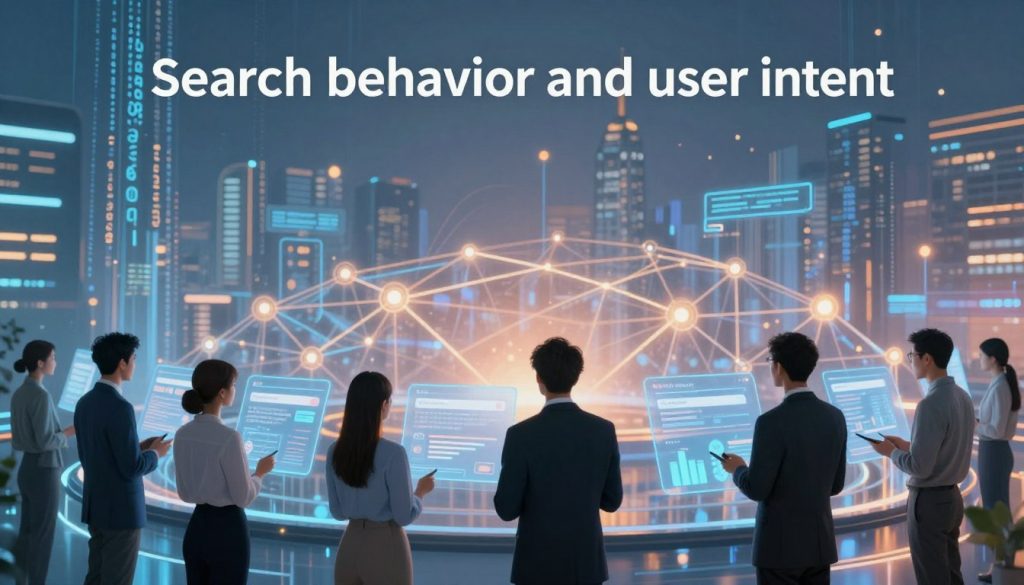
From Keyword Matching to Semantic Understanding
Before, search engines looked for exact keyword matches. Now, they focus on semantic understanding. They try to understand the real meaning behind a search.
This change means content creators must give detailed answers. They need to show they know a lot about a topic. This way, they meet the user’s needs, even if the search terms are different.
The Rise of Zero-Click Searches
Zero-click searches are becoming more common. Google often shows answers, maps, or summaries right at the top. This makes it easy for users to find what they need without leaving the search page.
This change is good for users but tough for some websites. Sites that share simple facts or definitions might get fewer visitors. But, businesses that offer services are still doing well. They need more interaction or a booking process. Knowing this helps in understanding today’s digital world.
How Generative AI is Reshaping the Search Landscape
Search engines are changing from just indexing pages to creating content for us. This change comes from generative ai. It lets platforms make content instead of just linking to it. This shift changes how we find and use digital info.

The Mechanics of Large Language Models
Large Language Models (LLMs) are at the core of this change. They work by studying huge datasets to find patterns in language. They use probabilistic modeling to guess the next word in a sequence, making responses that make sense.
The process involves several key steps:
- Data Ingestion: Processing billions of web pages to learn context.
- Pattern Recognition: Finding connections between things and ideas.
- Token Prediction: Creating text that sounds like human thought and structure.
Thanks to artificial intelligence, these models can turn complex topics into easy-to-understand formats. This lets search engines give detailed answers to questions that used to need a lot of research.
Integration of AI Overviews in Search Results
Now, search engines show AI Overviews at the top of the page. These summaries are quick and easy to look at. But, the use of automated synthesis has raised questions about how accurate they are.
Many people doubt these summaries, even for important decisions. While artificial intelligence is good at summarizing general info, it can struggle with complex or sensitive topics. So, people often check these summaries against information written by humans to make sure it’s right.
As generative ai gets better, finding the right balance between speed and accuracy will be key. The future of search will depend on whether these systems can keep our trust while being fast enough for today’s users.
The Decline of Traditional Organic Traffic
The classic search journey is disappearing as users find answers without leaving the results page. This change is a big problem for website owners who count on organic traffic to keep their online presence alive. Search engines now focus on speed, making the old way of clicking links to find answers less common.
User Behavior Changes in the Age of Instant Answers
Today, users want answers right away when they search. They often use AI-generated summaries or featured snippets instead of visiting websites. This means they jump between sources to compare before acting.
Since answers are given upfront, the need to visit a specific site is less. This shift in behavior means organic traffic is no longer a sure thing, even for top-notch content. Users are getting faster, but this efficiency hurts publishers.
The Impact on Click-Through Rates for Informational Queries
Informational queries are hit hard by these new search habits. When search engines give a full answer on the results page, users click less. This leads to a drop in click-through rates in many fields.
Creators must now think differently about their content’s value. If answers are free and quick, they need to focus on deeper engagement. Keeping click-through rates up means offering insights that algorithms can’t summarize.
Natural Language Processing and the Death of the Keyword
The rise of natural language processing has made old SEO methods outdated. Search engines now read like humans, focusing on what a query means, not just the words used.
This change means stuffing keywords no longer works. Algorithms now look at the context and details of a search to find the best results.
Moving Beyond Exact Match Optimization
For years, marketers used exact match optimization to get more traffic. But this method often results in stilted, unnatural content that doesn’t engage users or meet search engine standards.
Today, systems can find synonyms, related ideas, and the true purpose of a page. By dropping strict keyword rules, creators can make content that fully answers what users need.
The Role of Intent-Based Content Strategy
A good content strategy now focuses on what the user wants. Whether it’s a quick answer or a detailed guide, your content should match their goal.
Map your content to the user’s journey stages. By answering questions and offering valuable insights, you gain authority that keyword stuffing can’t match.
The aim is to create top-notch content that solves problems. When your content strategy puts the user first, search engines will see your site as a reliable source.
The Economic Consequences for Content Publishers
The digital world is changing fast, hitting traditional ways of making money hard. Content publishers struggle to keep their sites alive as search engines give direct answers.
The Threat to Ad-Supported Business Models
Websites often use ad-supported models to pay for their teams and sites. But when search engines give answers right on the page, people click less.
This drop in clicks starts a vicious cycle for online media. Without enough visitors, sites can’t make money from ads. So, many are looking at new ways to earn money.
Balancing Visibility with AI-Driven Summarization
To stay in the game, content publishers need a new plan. Just making lots of content isn’t enough anymore. They must offer something special that AI can’t match.
By focusing on original research and deep knowledge, sites can attract true fans. While ad-supported models are still around, getting money from subscriptions or special services is key.
In the end, publishers aim to stay seen while knowing search engines aren’t the only way in. They must find ways to capture user interest even when answers are given upfront.
Machine Learning and the Future of Search Ranking
Search ranking has changed from focusing on keywords to a battle of intelligence and predictive modeling. Modern search engines now use machine learning instead of old, rule-based systems. This change lets them understand human language better than ever before.
How Neural Networks Influence Search Quality
Neural networks are at the heart of this change. They work like our brains, analyzing huge amounts of data to find the best results. This way, they understand what we really mean when we search for something.
Thanks to neural networks, search results are not just right but also make sense. As these systems learn more, they get better at ignoring bad content. This means only the best content gets seen by users.
The Shift Toward E-E-A-T in an Automated World
In a world where machine learning can create lots of content, trust from humans is key. Google and others look for E-E-A-T—Experience, Expertise, Authoritativeness, and Trust—to check if info is reliable. These signals help keep out bad content made by machines.
Companies need to show real human insight to stay visible. Just focusing on technical stuff won’t cut it anymore. Brands should aim to build authentic authority that both algorithms and users can trust. By focusing on these human aspects, businesses can succeed as search tech keeps getting smarter.
Deep Learning and the Personalization of Search
Deep learning is changing how search engines understand what we need. They use big data to go beyond just matching keywords. This is a big step forward in how artificial intelligence meets our curiosity.
Hyper-Personalized Results for Individual Users
Today’s search engines use deep learning to create detailed profiles based on what we’ve searched before. When you search, they look at your history to guess what you really want. This makes your search experience more relevant and saves time.
Personalized search has many benefits for us. Here are some key advantages:
- Increased efficiency by needing fewer searches.
- Contextual relevance that considers where you are and what you like.
- Predictive suggestions that guess what you might want before you type it.
- Improved discovery of content that fits your interests over time.
The Privacy Implications of AI-Driven Search
Personalization is convenient but raises big privacy concerns. Artificial intelligence needs lots of personal info to work well. This raises questions about how much data is too much.
People often give up privacy for a better browsing experience. But, having so much personal data can be risky if it gets hacked. Developers must find a balance between using deep learning and protecting our privacy.
The future of search depends on trust. Being open about how data is used is key. As these technologies get better, we must make sure personalization doesn’t risk our safety.
Automated Content Creation and the Quality Crisis
As generative ai tools get easier to use, the web is filling up fast with fake content. This change has made the quality of online info drop a lot. Now, many websites use automated content creation to make more content, but it’s often not as good.
The Flood of Synthetic Content
It’s now easy to make lots of text quickly. Websites can churn out thousands of articles in just minutes. This makes it hard for good, original content to be seen.
To stay ahead, brands need to focus on quality over quantity. Using machines to write content can make it sound fake or lacking in personal touch. Here are some tips to keep your content valuable:
- Use original research and unique data.
- Add expert interviews for real insights.
- Always edit content by hand.
- Think about what users want, not just keywords.
Distinguishing Human Expertise from AI Hallucinations
One big problem with generative ai is it can make up things that aren’t true. These hallucinations can hurt a brand’s image. Only humans can spot these mistakes.
Being an expert means being accountable and having real experience. While automated content creation can help with writing, it can’t replace a real expert’s knowledge. By mixing tech with human review, companies can stay trustworthy and efficient.
Adapting SEO Strategies for the AI Era
To succeed today, you must offer something unique that machines can’t. With generative ai changing how we search, businesses need to update their seo strategies. Old tactics won’t cut it anymore to keep your brand seen.
Focusing on First-Party Data and Unique Insights
Standing out means using data only your company has. Generative ai can mix public info, but it can’t match your unique research or customer stories. By focusing on these, you create a barrier that’s hard for AI to cross.
Using first-party data makes you a key source, not just a secondary one. This boosts your seo strategies by giving search engines the quality info they want. When you share insights no one else has, you become a go-to spot for your audience.
Building Authority Beyond the Search Engine
Just focusing on search rankings is risky in today’s fast-changing tech world. You need to be strong across social media, email, and industry groups. This diversified approach keeps your traffic steady, even when search results change.
Building authority means being a trusted voice that people seek out. When your brand is seen as an expert, you’re not just relying on search for clicks. The best seo strategies build a loyal community that values your knowledge, no matter the search landscape.
The Role of Language Generation in Brand Visibility
Mastering language generation is key for companies wanting to stay ahead in AI-driven search results. Search platforms now favor synthesized answers, changing how we grab attention. To keep your brand seen, you must change how machines understand and show your company info.
Optimizing for AI Answer Engines
Your content needs to be easy for AI to get. Use clear, structured formatting to make sure your insights are picked for AI summaries. Focus on giving direct answers to common questions to get noticed more.
Adding schema markup helps search engines get your data’s context better. This makes your info easier for language generation tools to use, giving you an edge online.
The Importance of Brand Mentions and Entity SEO
Building a strong online presence through entity SEO is also crucial. When your brand is mentioned often on good sites, AI knows it’s reliable. This helps AI link your brand with certain topics and expertise.
Working on brand visibility through quality mentions boosts your authority online. Aim to be seen as a trusted voice in your field by sharing unique insights. When AI sees your brand as a go-to source, you’ll show up in automated answers more often.
The Future of Search Engines and AI Technologies
The digital world is changing fast with ai technologies leading the way. Search engines are becoming more than just gateways to the web. They’re turning into vast knowledge centers. This change makes us think about the future of the open internet.
Will Google Become a Closed Ecosystem?
There’s worry that big search engines might focus more on their own stuff than on linking to other sites. By keeping users inside, they can keep them engaged longer. This could change the digital world a lot.
Several things are pushing this change:
- More use of ai technologies to answer questions directly.
- Less visibility for outside content in search results.
- More time spent inside the search engine for users.
The Emergence of Decentralized Search Alternatives
As artificial intelligence gets stronger, a new movement is starting. Developers are working on decentralized search options. These aim to give back control to users and creators. They use blockchain or peer-to-peer networks for fairness and transparency.
These new platforms offer a fresh view for the web:
- Community-driven ranking to cut down on bias.
- Open-source algorithms for more public oversight.
- Less need for big data centers run by one company.
Even though these decentralized options are just starting, they’re crucial. They stand up to the power of artificial intelligence. The search engine future will be a fight between big, centralized powers and smaller, more open networks. Adaptability will be key for anyone in the digital world.
Conclusion
The world of digital discovery is changing forever. Brands need to stop chasing after algorithm updates. They must find their place in the digital world.
Good search engine optimization means being a true authority. Focus on creating unique insights that AI can’t copy. This builds trust as user habits change.
The future of search is about giving clear, reliable answers. Being the go-to source for answers makes you independent of platform changes. Invest in building a strong reputation that speaks to your audience.
Adopt this change by making your content more human. Becoming the top choice for your readers ensures success, no matter the tech changes. Start building your authority now to succeed in this new world.




No comments